


Newsletter Subscribe
Enter your email address below and subscribe to our newsletter


What Should Be The Limits to Public Subsidies and Economic Development" explores the impact of urbanization on rural Alberta and options for survival can now be viewed HERE https://youtu.be/gkA93DyO3t

Last week’s webinar “Why Care? What Should Be The Limits to Public Subsidies and Economic Development” explores the impact of urbanization on rural Alberta and options for survival can now be viewed HERE https://youtu.be/gkA93DyO3tk
Embracing Economic Reconciliation – Combining Mind, Body, and Spirit
In the vast landscapes of Alberta, a revolution is quietly taking place, a revolution not just of technology and innovation, but of spirit and culture. At its heart are the First Nations communities, who are finding ways to bridge the past and the future through emerging opportunities. This movement, dubbed “economic reconciliation,” is empowering the youth of these communities to envision a future where they are not just participants, but leaders in an economy that respects both tradition and the environment.
Alberta, known for its vast reserves in natural gas and oil and as a world leader in emissions reduction, faces a labor dilemma that cannot be solved by automation or urban migration alone. It is here that First Nations communities are embracing an opportunity not just for themselves, but for the province and the globe. By engaging in industries that have long been the backbone of Alberta’s economy, and pioneering in renewable energy and advanced agriculture, First Nations are setting a precedent for sustainable and inclusive growth.
Empowering the Youth Through Opportunities and Recognition. A new generation of First Nations leaders has emerged, determined to reshape the narrative surrounding their communities. “We are not the oppressed victims of yesteryears but the architects of our destiny,” one leader shared, highlighting the shift from a focus on past grievances to future possibilities. These leaders are advocating for a world where their youth are educated not only in the history and culture of their people but are also equipped with the skills and knowledge to thrive in the future.
The Royal Bank of Canada released a study in 2022 entitled “92 to Net Zero” HERE, exploring the integral role of economic reconciliation with Indigenous communities in achieving Canada’s Net Zero climate goals. It emphasizes the necessity of leveraging Indigenous capital, knowledge, and decision-making to unlock the $2 trillion required for the transition.
The report outlines four forms of Indigenous capital crucial for this journey: natural, financial, intellectual, and human capital, each offering unique contributions towards sustainable and inclusive economic growth and environmental stewardship. This document illustrates a fundamental shift in the assessment and valuation of Indigenous knowledge. It acknowledges that Traditional Knowledge is much more than a liberal “nod” to Native culture, but a critical component to ensuring Net Zero projects are implemented as efficiently and cost-effectively as possible.
Programs aimed at increasing the participation of First Nations youth in the economy are gaining momentum. Scholarships, internships, and training programs tailored to these youths are becoming more prevalent, providing a ladder to industries that once seemed out of reach. This inclusivity is not just about filling labor gaps; it’s about enriching these industries with diverse perspectives and sustainable practices. Continued below
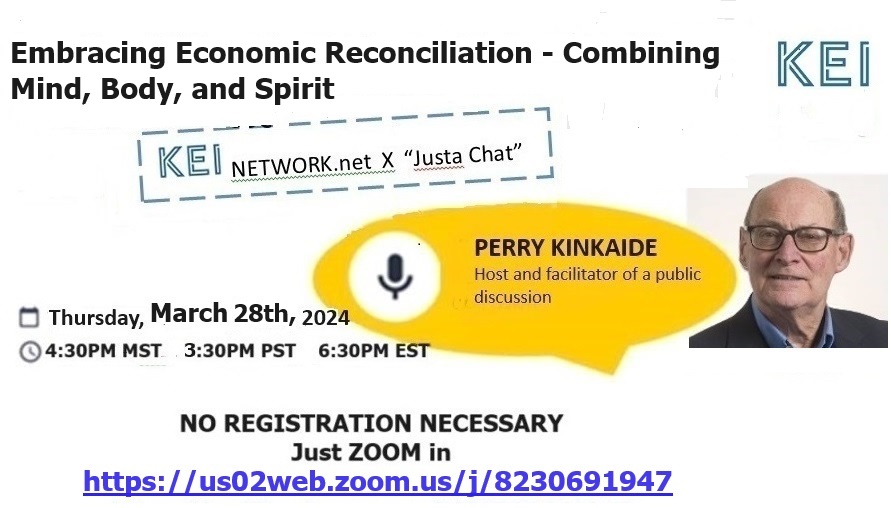
JOIN US – The discussion is public
We have been exploring various aspects of urbanization including homelessness in the cities and the depopulation and destiny of rural communities. This week we’ll delve deeper into how First Nations are adapting, by exploring how their leaders are pursuing “economic reconciliation”, with progressive implications for their youth and others far beyond the reserve.
Continued from above … Cultural and Economic Empowerment Through Tradition and Innovation. The embrace of traditional knowledge in contemporary sectors is another cornerstone of economic reconciliation. First Nations communities are finding innovative ways to blend their cultural heritage with sectors like tourism, environmental conservation, and sustainable development. These ventures not only provide employment opportunities but also allow for the preservation and celebration of their culture.
In many communities, historically, there has been a reticence around sharing traditional stories. Hollywood, for example, has been guilty of cultural misappropriation through stereotyped “characters” such as Pocahontas and Tonto. Contemporary Indigenous artists, storytellers, actors and filmmakers have been working to correct these perversions. They have produced numerous award-winning creations that have served to establish Indigenous creators as world-class commercial successes, and in doing so, continue to shape and correct the Indigenous narrative. This is a clear example of the power of Traditional Knowledge (Intellectual Capital) to both effect cultural and attitude change while monetizing traditional knowledge assets.
Entrepreneurship is on the rise within these communities, supported by a framework of governmental and non-governmental organizations. Young entrepreneurs are being encouraged to start businesses that align with their values and contribute to their communities, reinforcing the idea that economic success and cultural preservation are not mutually exclusive.
Navigating the Path to Increased Autonomy and Self-Governance. Significant progress in land rights and self-governance negotiations is granting First Nations more control over their resources and economic futures. This autonomy is paving the way for community-specific job creation, allowing for a more tailored approach to economic development that reflects the aspirations of their members.
The process of establishing Self-Governance is complex and often wrought with seemingly insurmountable hurdles including overlapping land claims, aligning local cultural practices and legal traditions with Federal requirements. The development of self-governance and economic strategies among Indigenous peoples in Canada is a testament to their resilience and commitment to shaping a self-determined future.
The advent of the digital age and remote work opportunities is particularly promising for First Nations youth in remote communities. Access to online education and training is breaking down barriers, enabling these youths to acquire skills relevant across various industries.
A Balanced Narrative of Challenge and Triumph. While it’s crucial to acknowledge the systemic barriers and injustices that First Nations communities continue to face, the narrative of despair often portrayed is not the whole story. There is an undeniable resilience and ambition within these communities, manifested through initiatives that seek to empower the youth and ensure their voices are heard and valued in the broader economic landscape.
Continued economic development in Indigenous communities will result from the growing confidence in the leadership within those communities, who must provide vision and guidance, and who can leverage the values of traditional knowledge, and who are unafraid, and indeed, prepared to embrace challenges. There are several ‘buzz phrases’ that are expressed in FN circles. Some examples include: “Knowledge is the new buffalo”, “Don’t build anything for us, without us”
While there remains a long road to Reconciliation, the Indigenous leaders of today and tomorrow will be instrumental in guiding the path forward, for all Canadians. Tomorrow’s history books will either speak of heroic Indigenous leaders who marched boldly forward, effecting fundamental change, or will continue to revisit and dwell on the social failures of colonialism.
As Alberta and indeed Canada look towards a future of economic growth and environmental sustainability, the role and contributions of First Nations in shaping this future cannot be overstated. Economic reconciliation offers a path forward, one that bridges the gap between the past and the future, ensuring that the youth of today become the leaders of tomorrow, grounded in their culture but with eyes firmly set on the horizon. – Editor, KEInetwork.net
FOR SALE
35 acres/30,000 sq ft facility currently in build stage. Multi-purpose. Manufacturing facility.
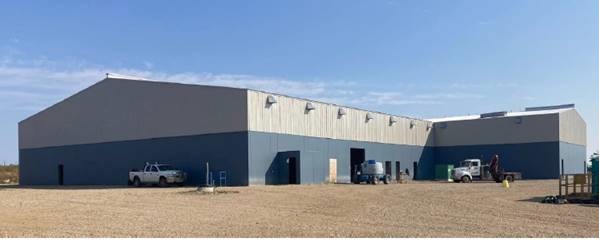
Elk Point, Alberta
Contact – 780-646-2975
Linda Sallstrom, Economic Development Officer
lsallstrom@stepeconomicdevelopment.ca
Artificial Intelligence
Putting Humanity First in the Rush to Super AI HERE
OpenAI Has Been Dethroned HERE
Teaching AI to Teach Itself to be Smarter HERE and HERE
Robots in the Workplace? When and Where? HERE
Dell launches new AI-focused Precision desktop and laptop workstations HERE
Brain and Brehaviour
Teens’ Transcendent Thinking Spurs Brain Growth HERE
Computer over-Usage Linked to Erectile Dysfunction HERE
The State of Neuroscience Today HERE
The Economy
Brace for the Resurgence of China’s Manufacturing HERE
Fixing Public Project Overruns – Government as Regulator, Industry as Manager HERE
Cryptocurrency Gaining in Legitimacy HERE
Rural Communities Are Fighting for Survival HERE
Energy
The Energy Transition will be Slow HERE
Northern Climate 2023/24 Heated up, Driving Down Gas Consumption HERE
AI and Cryptocurrency Are Driving the Growing Demand for Power HERE
Revival of Nuclear including the Promise of Fusion HERE
Furthering Nuclear Fusion through Advances in Laser Technology HERE
China’s Ramping up of Funding for Fusion Excites the West HERE
Innovation
The World’s Most Innovative Companies HERE
Canada’s Research Funding – Sensitive to Foreign Defense Interests HERE
Email Editor@KEInetwork.net
Visit KEInetwork.net